
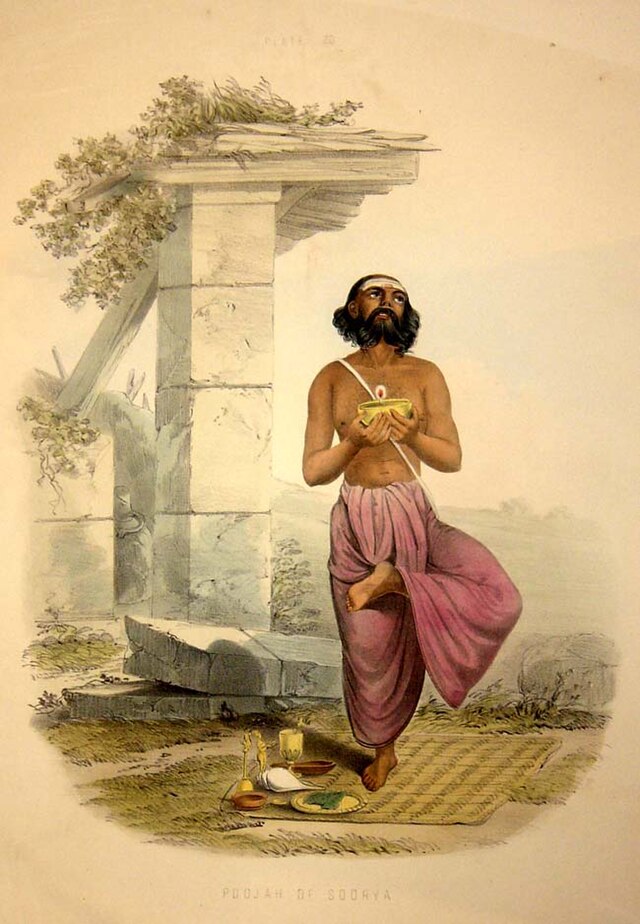
Every spiritual tradition across the world has pointed to one simple yet profound practice — observe your breath. But why does mere observation of the breath have such a transformative effect on the mind and body? The answer lies at the intersection of ancient Yogic wisdom and modern quantum physics — and it is more extraordinary than most people realize.
The Two Forces Within — Prana and Apana
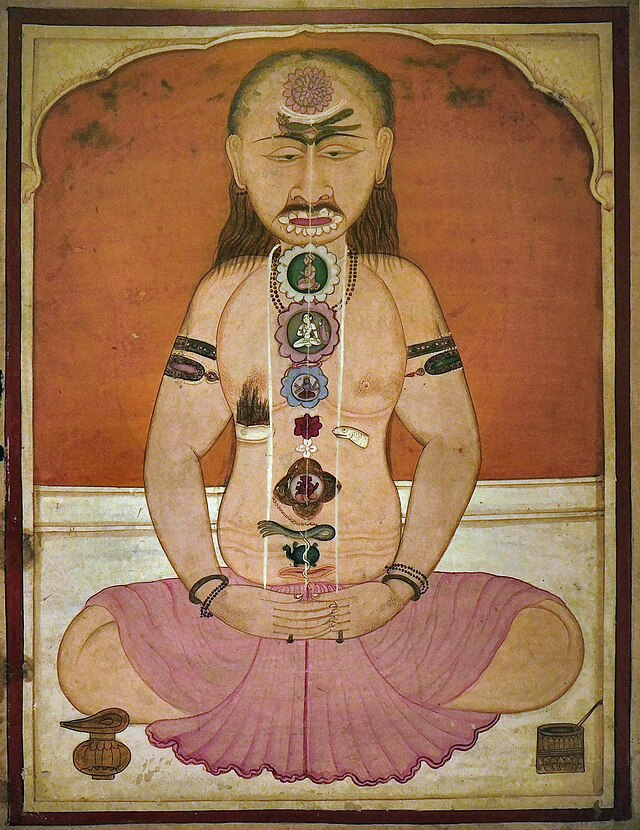
According to the ancient science of Kriya Yoga and Vedantic physiology, the human body is not merely flesh and bone. It is a field of life force (Prana) — constantly moving, constantly active.
Within this field, two primary forces operate simultaneously:
Prana — the upward moving life force. It governs inhalation, the heart, the upper body, and all ascending energies. It is the force of intake, expansion and vitality.
Apana — the downward moving life force. It governs exhalation, elimination, the lower body, and all descending energies. It is the force of release, grounding and letting go.
These two forces are always moving in opposite directions — Prana ascending, Apana descending — creating a constant dynamic tension within the body. This dual movement is what keeps the life force circulating, just as the positive and negative poles of a battery create electrical current.
In ordinary unconscious breathing, this movement continues automatically — unnoticed, unrefined, and largely untapped.
What Happens When You Observe the Breath?
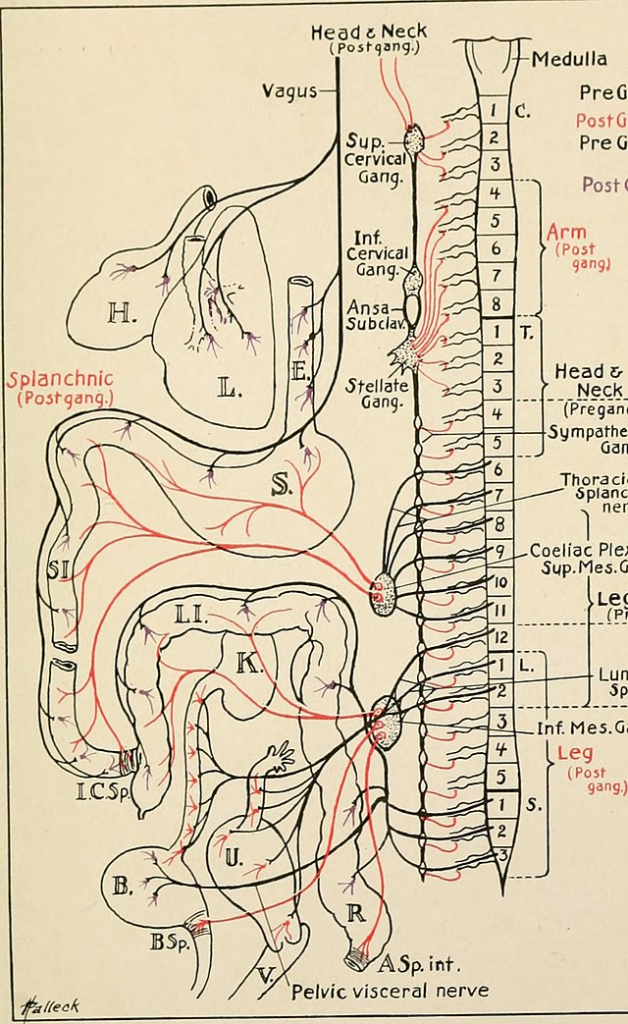
Here is where something extraordinary occurs.
The moment you consciously turn your attention to the breath — not controlling it, not manipulating it, simply observing it — the relationship between Prana and Apana begins to shift.
The upward force of Prana and the downward force of Apana, instead of moving away from each other, begin to turn toward each other. They start moving in a harmonizing direction — meeting at the center, at the heart, creating what the Kriya masters describe as a state of inner stillness and energetic balance.
This is not imagination. This is the mechanics of what Lahiri Mahasaya and the Kriya Yoga lineage have always taught — that conscious breath observation itself is a form of inner alchemy. The mere act of witnessing begins the transformation.
In advanced states this leads to Kevala Kumbhaka — the natural, effortless suspension of breath — where both Prana and Apana arrive at a point of perfect stillness. In that stillness, the mind naturally quietens and deeper states of consciousness become accessible.
Quantum Science — The Observer Effect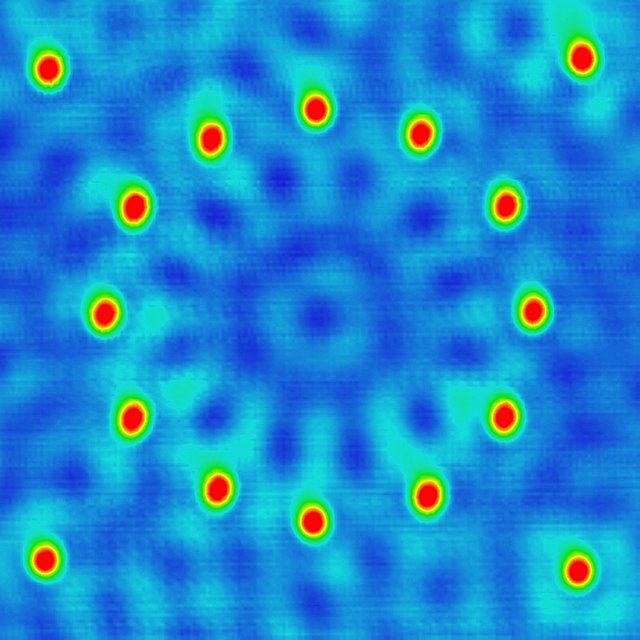
Now here is what makes this even more remarkable — modern quantum physics has independently arrived at a strikingly similar conclusion.
In quantum mechanics, one of the most fascinating and well-established discoveries is the Observer Effect — the principle that the act of observation itself changes the behavior of what is being observed.
The famous Double Slit Experiment demonstrated this beyond doubt. When electrons were fired through two slits without being observed, they behaved like waves — spreading out and creating an interference pattern. But the moment a measuring device was introduced to observe which slit the electron passed through, the electrons changed their behavior entirely — they began behaving like particles instead of waves.
The direction and nature of the electron’s movement changed simply because it was being observed.
This is not a philosophical idea — it is a reproducible, measurable, scientific fact that has puzzled physicists for over a century. As physicist Niels Bohr noted, the observer and the observed cannot be fully separated at the quantum level.
Where Ancient Wisdom Meets Modern Science
The parallel is profound and cannot be dismissed as coincidence.
In Kriya Yoga — when you observe Prana and Apana, their direction changes. In Quantum Physics — when you observe an electron, its behavior changes.
Both ancient rishis and modern physicists are pointing at the same underlying truth — consciousness is not a passive witness. It is an active participant in shaping reality.
Your attention is not neutral. Where you place your awareness, things shift. When you observe your breath — your life force responds. When a scientist observes an electron — the electron responds.
This suggests that conscious observation is one of the most powerful forces in existence — recognized both by the Himalayan masters of Kriya Yoga and by the laboratories of quantum physics.
The Practice — How to Observe
- Sit comfortably with spine erect
- Close your eyes gently
- Do not control the breath — simply watch it
- Notice the inhalation — feel Prana rising
- Notice the exhalation — feel Apana descending
- Simply witness — without judgment, without force
- Notice how gradually the breath slows, deepens and harmonizes on its own
This simple practice, done consistently, begins the inner alchemical process that the Kriya masters have spoken of for centuries.
Conclusion
The act of observing your breath is far more powerful than it appears. It is not passive. It is not merely relaxing. It is a conscious engagement with the deepest forces of life within you — forces that respond to your attention and begin to transform the moment you watch them.
Science is only now beginning to catch up with what the ancient Yogis discovered thousands of years ago — that the observer changes everything.
Observe your breath today — and watch what changes within you. 🙏